

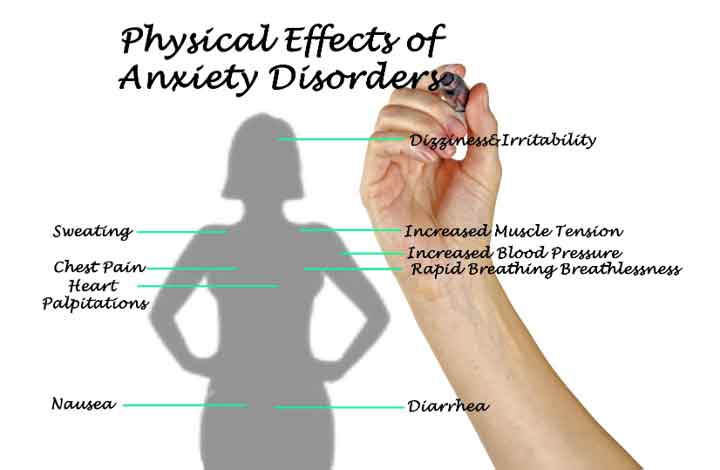
How Anxiety Shows Up in the Body: Understanding the Physical Symptoms of Anxiety
Many people assume anxiety is simply excessive worrying or nervous thoughts. While those experiences are certainly common, anxiety often shows up in the body long before we consciously recognize it in our minds.
If you’ve ever experienced a racing heart, upset stomach, dizziness, muscle tension, headaches, or difficulty sleeping, your body may have been responding to anxiety.
Common Physical Symptoms of Anxiety
Anxiety activates the body’s natural “fight, flight, or freeze” response. This response is designed to protect us from danger, but when it becomes activated too often, it can create uncomfortable physical symptoms such as:
- Rapid heartbeat or heart palpitations
- Chest tightness
- Shortness of breath
- Muscle tension and aches
- Headaches
- Digestive problems
- Nausea
- Sweating
- Dizziness or lightheadedness
- Difficulty sleeping
- Fatigue
Many individuals initially seek medical care because they believe something is physically wrong, only to discover that anxiety is contributing significantly to their symptoms.
Why Does Anxiety Feel So Physical?
When the brain perceives a threat—whether real or imagined—it releases stress hormones such as adrenaline and cortisol. These hormones prepare the body for action by increasing heart rate, tightening muscles, and redirecting energy to survival systems.
While helpful in dangerous situations, this response can become exhausting when it occurs repeatedly throughout daily life.
Signs That Anxiety May Be Affecting Your Health
You may benefit from exploring anxiety as a contributing factor if:
- Medical testing has not identified a clear cause for symptoms.
- Symptoms worsen during stressful periods.
- You find yourself constantly worrying about health concerns.
- Physical symptoms improve when stress levels decrease.
- You frequently feel “on edge” or unable to relax.
How Therapy Can Help
Therapy provides a safe space to understand anxiety, identify triggers, and develop healthier coping strategies. Many clients learn skills that help calm the nervous system, reduce physical symptoms, and improve overall well-being.
You do not have to manage anxiety alone. With support and effective tools, it is possible to feel calmer, more confident, and more in control of your life.
If anxiety is affecting your daily functioning, reaching out for professional support can be an important first step toward healing.